

In an era where Artificial Intelligence (AI) is fundamentally reshaping the global workforce, social interaction, and the very fabric of information, the question is no longer whether young people should learn about AI, but how to ensure they possess the critical skills to navigate it. The Raspberry Pi Foundation, a global leader in computing education, has positioned itself at the vanguard of this movement. By blending pedagogical research with industry expertise, the organization is providing a roadmap for educators, parents, and mentors to demystify AI and cultivate a generation of responsible creators.
The Core Mission: Defining AI Literacy in the Classroom
The Raspberry Pi Foundation’s stance is clear: AI literacy is a fundamental pillar of modern computing education. As outlined in their 2025 position paper, Why kids still need to learn to code in the age of AI, the foundation argues that understanding the mechanics behind AI is essential for young people to comprehend their world.
The goal is twofold: first, to empower students to become discerning, ethical users of AI tools; and second, to provide the foundational knowledge required for them to eventually become the architects and innovators of future technologies. By moving beyond passive consumption, the Foundation aims to turn the "black box" of AI into a transparent, understandable tool for learners of all backgrounds.
A Chronology of Impact: From Local Initiatives to Global Reach
The journey to democratize AI education has been marked by strategic growth and international collaboration.
- Foundation & Early Development: The Raspberry Pi Foundation began by focusing on physical computing and coding, but as AI proliferated in the early 2020s, the organization pivoted to integrate machine learning (ML) and AI ethics into its core curriculum.
- The Launch of Experience AI: Recognizing the need for structured, high-quality resources, the Foundation partnered with Google DeepMind to launch Experience AI. This initiative was designed to lower the barrier to entry for educators who may not have a formal background in computer science.
- Rapid Scaling (2023–2025): The program saw exponential growth, fueled by a network of global partners who provided localized, translated content. By mid-2025, the program reached a milestone of being downloaded in over 180 countries.
- International Recognition: In 2025, the impact of these efforts was solidified when Experience AI was named a laureate of the UNESCO King Hamad Bin Isa Al-Khalifa Prize for the Use of ICT in Education, recognizing its excellence in leveraging technology to transform teaching and learning.
- National Awareness: June 2026 marks the inaugural "AI Awareness Day" in the UK, a campaign championed by the Foundation to solidify AI literacy as a national educational priority.
Supporting Data: Scaling and Accessibility
The success of the Raspberry Pi Foundation’s approach is not merely anecdotal; the data points to a massive, successful scaling effort:
- Global Penetration: Resources have been translated into 19 languages and have been utilized in over 180 countries, proving that the need for AI literacy is universal, transcending borders and education systems.
- Diverse Age Engagement: While the primary Experience AI curriculum is currently optimized for the 11–14 age bracket, the foundation is actively rolling out age-appropriate modules for younger and older students to ensure a cohesive "AI pipeline" throughout a child’s schooling.
- Research Integration: The organization hosts monthly research seminars, with the 2026 series specifically focused on cross-disciplinary AI education—bringing AI concepts into the arts, sciences, and humanities, rather than isolating it within computer science departments.
Practical Resources: Bridging the Theory-Practice Gap
The Foundation’s approach is built on the philosophy that educators do not need to be experts to be effective guides.
Experience AI: The Flagship Program
Developed with Google DeepMind, Experience AI offers a comprehensive suite of lesson plans, presentations, and hands-on activities. It encourages students to interrogate the ethical dimensions of technology, including bias, transparency, and the environmental impact of large-scale models. By moving from theoretical definitions to practical investigations, students develop a grounded understanding of how algorithms make decisions.
Code Club and Digital Making
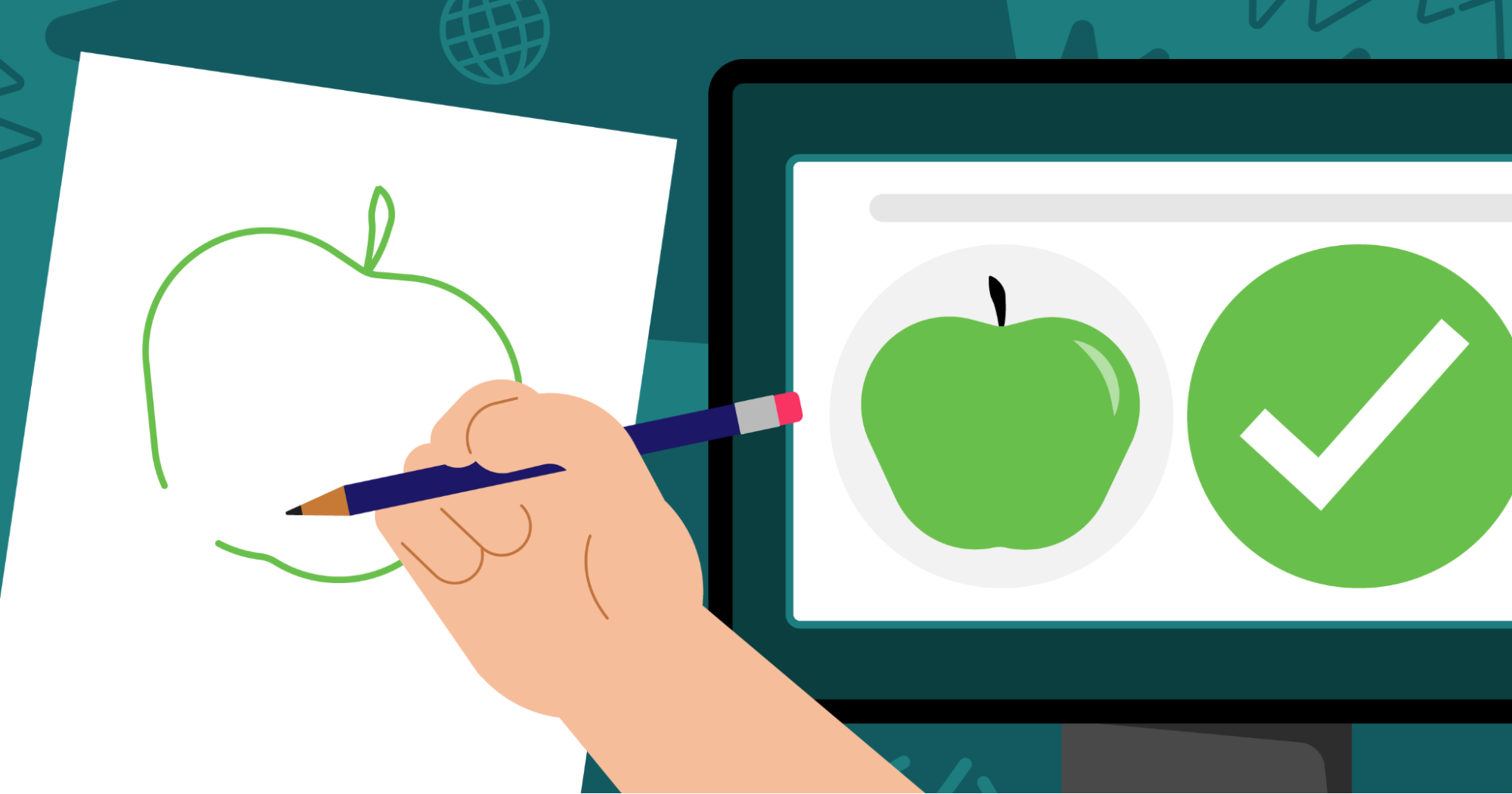
For students seeking a more tactile, project-based approach, the Code Club collection offers "Doodle Detector" and other machine learning projects. Using platforms like Machine Learning for Kids and Scratch, students build models that can recognize their own drawings or voice commands. These projects serve as the "hook" that sparks curiosity, transforming complex machine learning concepts into tangible, personal achievements.
Ada Computer Science
For older students (aged 14–19), the Ada Computer Science platform—developed in partnership with the University of Cambridge—provides a rigorous academic framework. This platform offers detailed explanations, interactive assessments, and deep-dive modules on neural networks and predictive modeling, preparing students for university-level computing.
Official Perspectives: Educators and Mentors
The impact of these resources is perhaps best illustrated by those on the front lines. Ana Judith Zavaleta, a computer science teacher in Mexico, notes the transformative potential of these tools: "Let the students explore, advance, and grow. And who knows—maybe one of our students will go on to become a mentor or leader in this field someday."
This sentiment is echoed by students who have participated in these programs. A student from the Arthur Mellows Village College in the UK remarked, "I went from knowing nothing about it to understanding how it works, why it acts in certain ways, and how to actually create my own AI models." Such testimonials underscore the Foundation’s core belief: that AI is a skill set that can be mastered by any student provided they have the right guidance.
Implications: The Road Ahead for Global Education
The implications of the Raspberry Pi Foundation’s work are profound. By embedding AI literacy into the standard school experience, they are helping to bridge the digital divide.
Critical Thinking as the Primary Defense
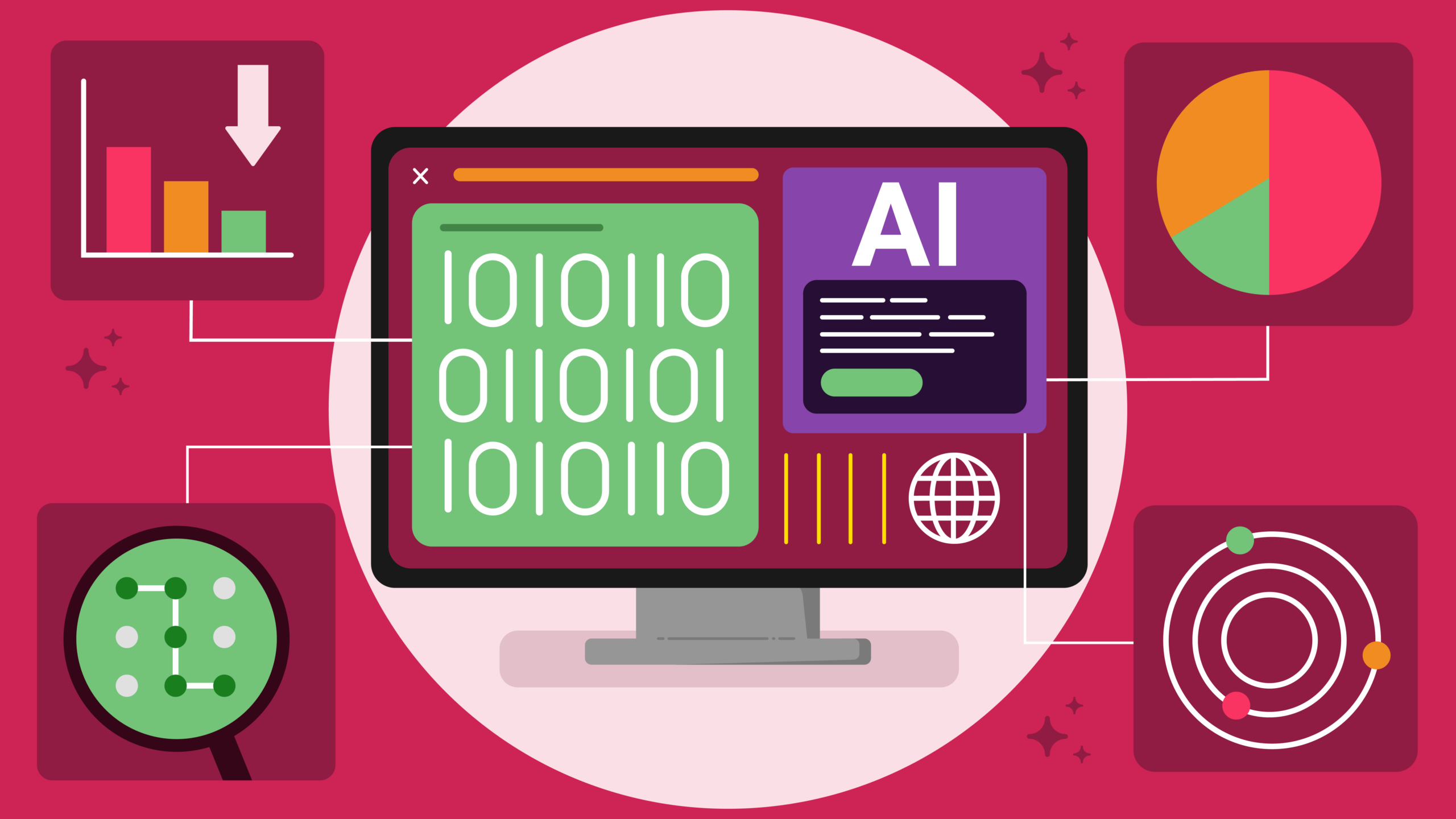
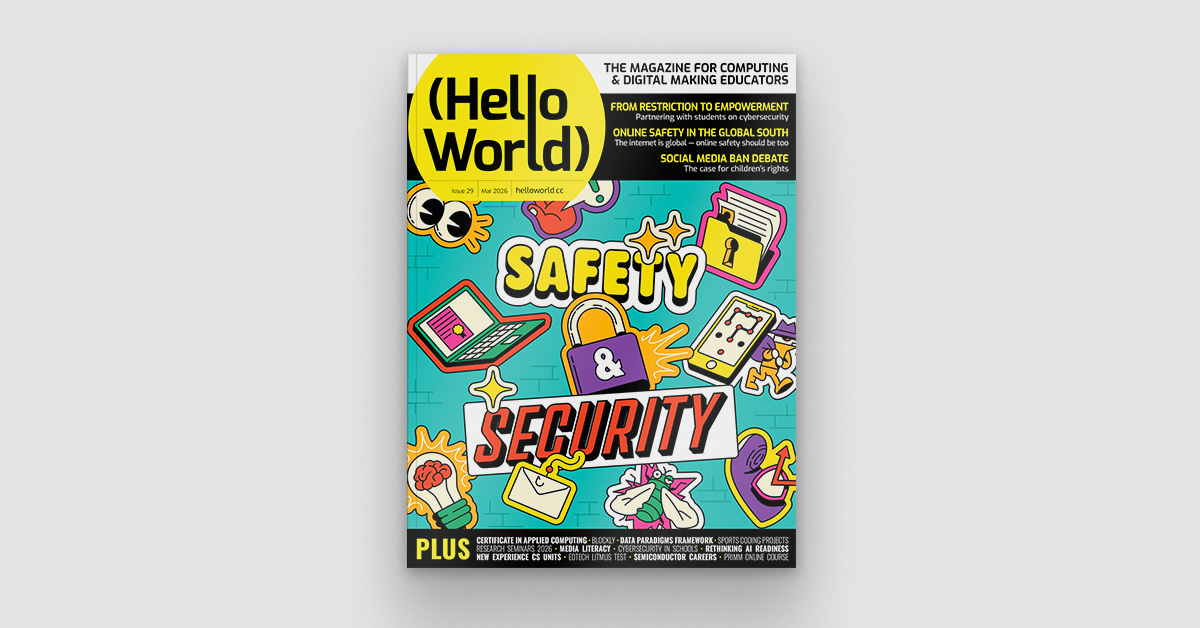
As generative AI makes the creation of misinformation trivial, the Foundation’s focus on "critical thinking in the age of AI"—a central theme of their Hello World magazine—is increasingly vital. By teaching students how to evaluate the credibility of AI outputs, the Foundation is effectively preparing the next generation to be a "human firewall" against digital manipulation.
Teacher Agency
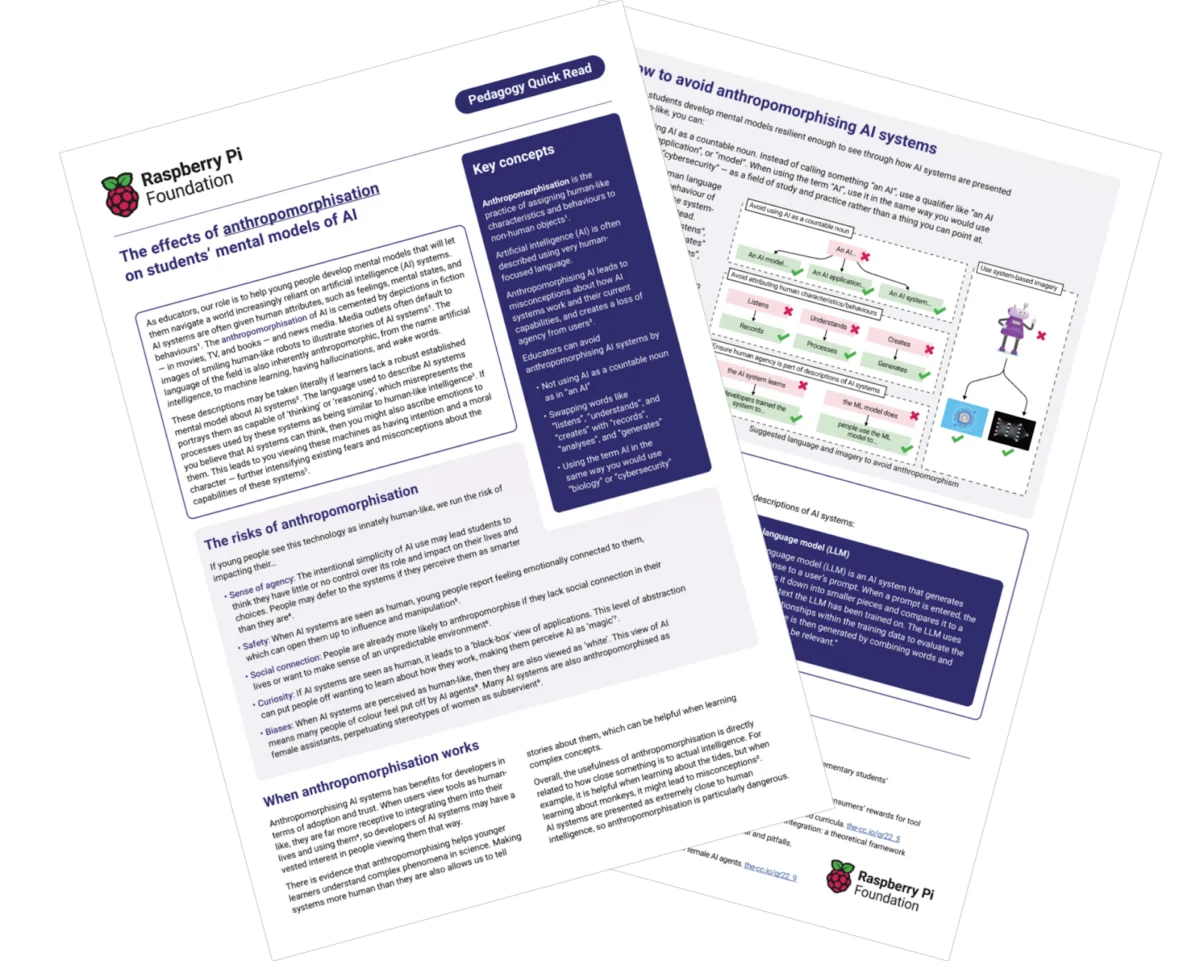
Perhaps the most significant implication is the focus on teacher confidence. By providing professional development, podcasts, and "Pedagogy Quick Reads," the Foundation is ensuring that the transition to an AI-augmented classroom is teacher-led. They are shifting the teacher’s role from a provider of facts to a facilitator of inquiry.
The Institutional Shift
The inclusion of AI in standard curricula, as promoted by the Foundation, signals an institutional shift. Schools are no longer viewing AI as an "extra-curricular" hobby but as a core competency comparable to literacy and numeracy. With the rise of national initiatives like the UK’s AI Awareness Day, the Foundation is setting a precedent that other nations will likely follow as they struggle to adapt their educational systems to the AI revolution.
Conclusion: A Call to Action
The Raspberry Pi Foundation has created an ecosystem where curiosity is rewarded with resources, and where the complexity of AI is rendered accessible through clear, step-by-step guidance. Whether through the academic rigor of Ada Computer Science, the collaborative nature of Experience AI, or the community-driven insights of Hello World, the foundation is ensuring that the future of technology is not just in the hands of a few, but is a democratized field of study for all.
As we look toward the remainder of 2026 and beyond, the message from the Foundation remains a call to action for every educator: you do not need to be a software engineer to guide your students through the AI landscape. You only need the curiosity to start, and the resources—which are now freely available—to lead the way. By empowering our youth today, we are securing a more transparent, ethical, and innovative digital world for tomorrow.